
How to Integrate Your Dental Lab Into Your Daily Clinical Workflow
Your dental lab touches nearly every restorative case on your schedule, yet most practices don’t integrate it into their daily clinical workflow. The result looks familiar: a crown comes back on Tuesday, but the seating appointment isn’t until Thursday. By Thursday morning, nobody on the team remembers which case it is, the patient’s chart hasn’t been reviewed, and the first ten minutes of the appointment go to sorting out details that could have been handled two days earlier. Meanwhile, a prep completed on Monday is still sitting on the counter because nobody scheduled the pickup.
These aren’t dramatic failures. They’re small friction points that compound over weeks and months, costing chair time and occasionally turning a first-time seat into a second visit. The fix is a shift in how your practice thinks about the lab relationship: less send-and-receive transaction, more integrated clinical partner. Here’s how to make that shift practical.
The Short Version Treating your lab as an extension of your clinical team, not a send-and-forget vendor, reduces remakes, saves chair time, and improves patient outcomes. Build the lab into your morning huddle, standardize case submissions, and close the feedback loop after every seating.
The Mindset Shift: Your Lab Is Part of Your Clinical Team
Most dental practices treat the lab like a supplier: send a case out, wait for it to come back, deal with the result. That model works for straightforward single-unit crowns. It breaks down with complex cases, tight timelines, or any situation where the technician would benefit from context that wasn’t on the prescription form.
Spear Digest contributors have consistently advocated for a different model, one where the lab technician is a collaborative partner in case planning, not an afterthought. As dentist Edward Roman wrote in a Spear Digest article on this topic, time is the most valuable asset in a dental practice, and much of the time wasted working with a lab can be reduced by following a few systematic habits.
That philosophy aligns with how Summit-Horizon operates. The lab’s positioning as “an extension of your clinical team” isn’t a tagline; it’s a description of how the best lab-practice relationships actually function. Michael Wandling, MBA, Master CDT and 2025 CDT of the Year, reviews cases with an eye toward clinical context, not just fabrication specs. That kind of input is only possible when the practice makes the lab part of the conversation early, not after everything has already been prepped and scanned.
Standardize Your Case Submission Process
Inconsistent case submissions are one of the most common sources of lab-related delays and remakes. Research in the Journal of Prosthodontics from the National Dental Practice-Based Research Network found a rejection-at-try-in rate of 3.8% across 205 dentists and roughly 3,700 single-unit crowns (McCracken et al., 2019), with suspected laboratory error identified as the leading cause cited by treating clinicians. Related prosthodontic literature has estimated that communication breakdown between practitioner and laboratory can account for up to half of identified errors in some prosthodontic samples. On the practice side, Dr. Robert Winter has noted in Spear Digest that 80% of dentists do not complete all of the information legally required on the prescription form, a widely cited industry observation about how much room there is to tighten case submissions.
The fix is deceptively simple: pick one submission pathway and make it routine for every team member.
If your practice uses digital impressions, submitting digital scans through a standardized portal eliminates the variability of handwritten notes and ensures your lab receives the files in a usable format. Summit-Horizon accepts STL files from every major intraoral scanner, including Primescan, Medit, iTero, 3Shape TRIOS, Carestream, DEXIS, Planmeca, Shining 3D Aoralscan, and 3M workflows, plus PLY files from scanners that natively export that format (notably Medit, 3Shape TRIOS, and Primescan via DS Core). For practices still using traditional PVS impressions, the same principle applies: consistent packaging, clear labeling, and a complete prescription every time.
Use your lab’s downloadable RX forms rather than handwritten notes on sticky pads or napkins. Clear prescriptions reduce the back-and-forth calls that slow turnaround and introduce miscommunication. If you’re submitting digitally, Summit-Horizon’s digital case upload portal accepts scans alongside case details in a single step.
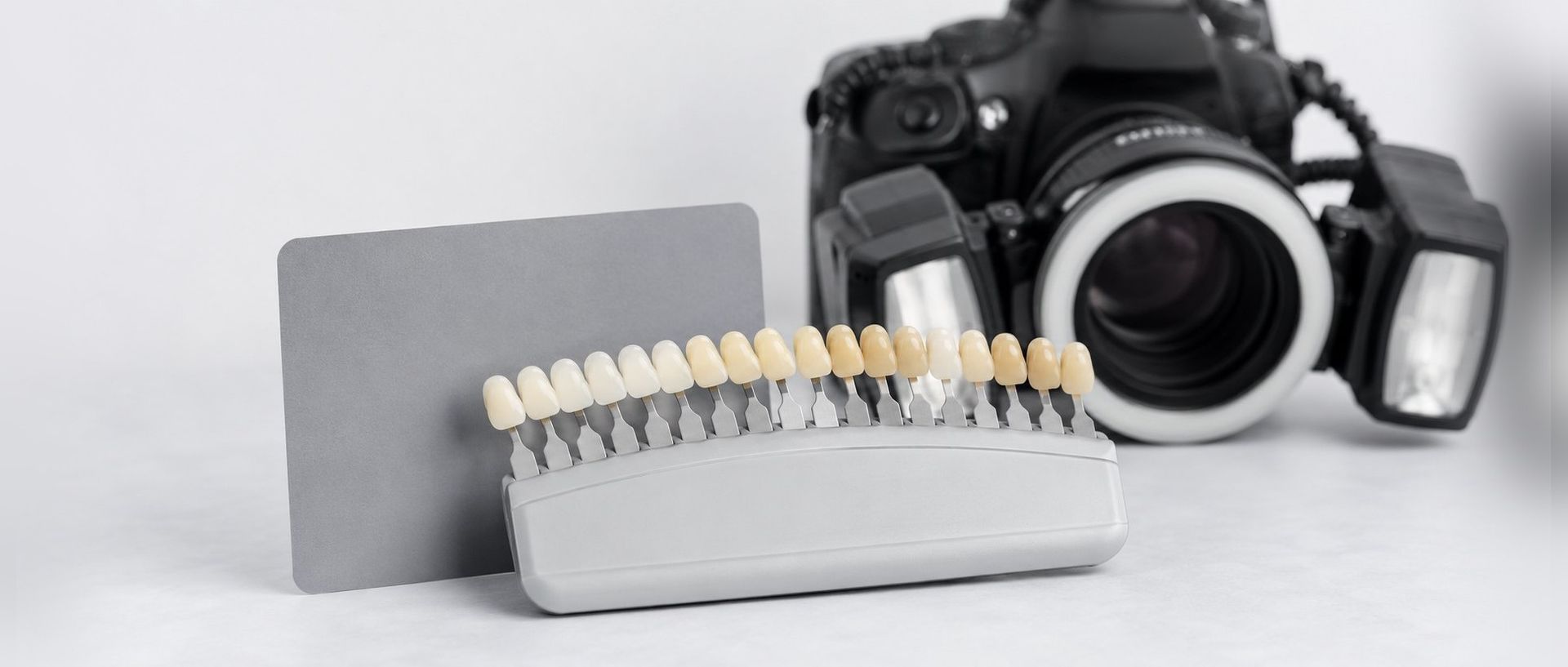
Every case that leaves your office should include the following: a complete, legible prescription form (digital or paper) with material selection, shade, and any special instructions noted clearly. Photographs of the preparation, adjacent teeth, and shade tab under consistent lighting. Opposing arch scan or impression. Bite registration. Notes on any clinical concerns the technician should know about, such as bruxism history, limited opening, or esthetic priorities the patient has expressed. If you’re sending a digital impression, verify scan completeness before closing the file, as margin capture errors are one of the most common causes of remakes.
For a deeper look at the scanning errors that most frequently lead to remakes, see our companion post on digital impression mistakes and how to avoid them.
Build the Lab Into Your Morning Huddle
The morning huddle is where most practices plan their clinical day: which patients are coming in, what procedures are scheduled, and what needs attention. Surprisingly few practices include the lab in that conversation, even though lab cases touch nearly every restorative appointment on the schedule.
Adding two to three minutes of lab-focused discussion to your daily huddle eliminates the most common coordination failures. Review what’s arriving from the lab today: which cases are ready for seating, are there any flags or notes from the technician, and does the team need to pull charts or confirm that patients are still scheduled? Then review what’s going out: which preps are happening today, are scan files ready to submit by end of day, and does anything need to ship before the courier arrives?
During the morning huddle, cover these touchpoints: confirm which lab cases arrived and match them to today’s seating appointments. Check for any clinical observation notes or flags from the lab that might affect the appointment. Identify which preps are scheduled for today and confirm that scan files or impressions will be ready to submit before end of day. Verify that outgoing cases are packaged and queued for pickup or shipping. Cross-reference turnaround timelines against upcoming seating appointments to catch any scheduling gaps before they become patient phone calls.
For practices in the St. Louis metro area, Summit-Horizon offers complimentary daily case pickup and delivery, which means outgoing cases submitted by end of day are in the lab the next morning. Regional practices in Missouri, Illinois, Kentucky, Tennessee, Indiana, Arkansas, and Kansas benefit from established courier and shipping relationships. National practices can submit digital cases through the upload portal at any hour, with files received and queued for production immediately.
Use Your Lab as a Clinical Resource
A good lab doesn’t just fabricate; it observes, flags, and advises. Technicians see patterns that clinicians may not, because they’re reviewing models and scans from dozens of practices every week. Wear patterns that suggest parafunction, margins that look under-reduced, or occlusal schemes that may create issues down the road are all things a skilled technician can identify before fabrication begins.
At Summit-Horizon, clinical observation notes are included with cases that show indicators of concern. If a scan reveals accelerated posterior wear or unusual antagonist damage, the lab documents what it sees and suggests the dentist correlate those findings with the patient’s medical and medication history. These notes aren’t diagnostic; they’re the kind of heads-up that a trusted colleague would give you if they were looking over your shoulder at the model.
That level of input comes from having a Master CDT at the helm. Wandling’s background spans CAD/CAM design, traditional hand-layering, and implant planning. To make the most of this resource, give your lab the context they need: clinical photos, relevant medical history (especially medications that may affect bruxism risk), and esthetic expectations the patient has communicated. The more your technician knows, the better the outcome on the bench.
Coordinate Logistics and Turnaround Expectations
Cases that sit on a counter for two days before shipping, or seating appointments booked without confirming the lab’s turnaround timeline, are preventable problems. Building predictable logistics into your weekly rhythm eliminates both.
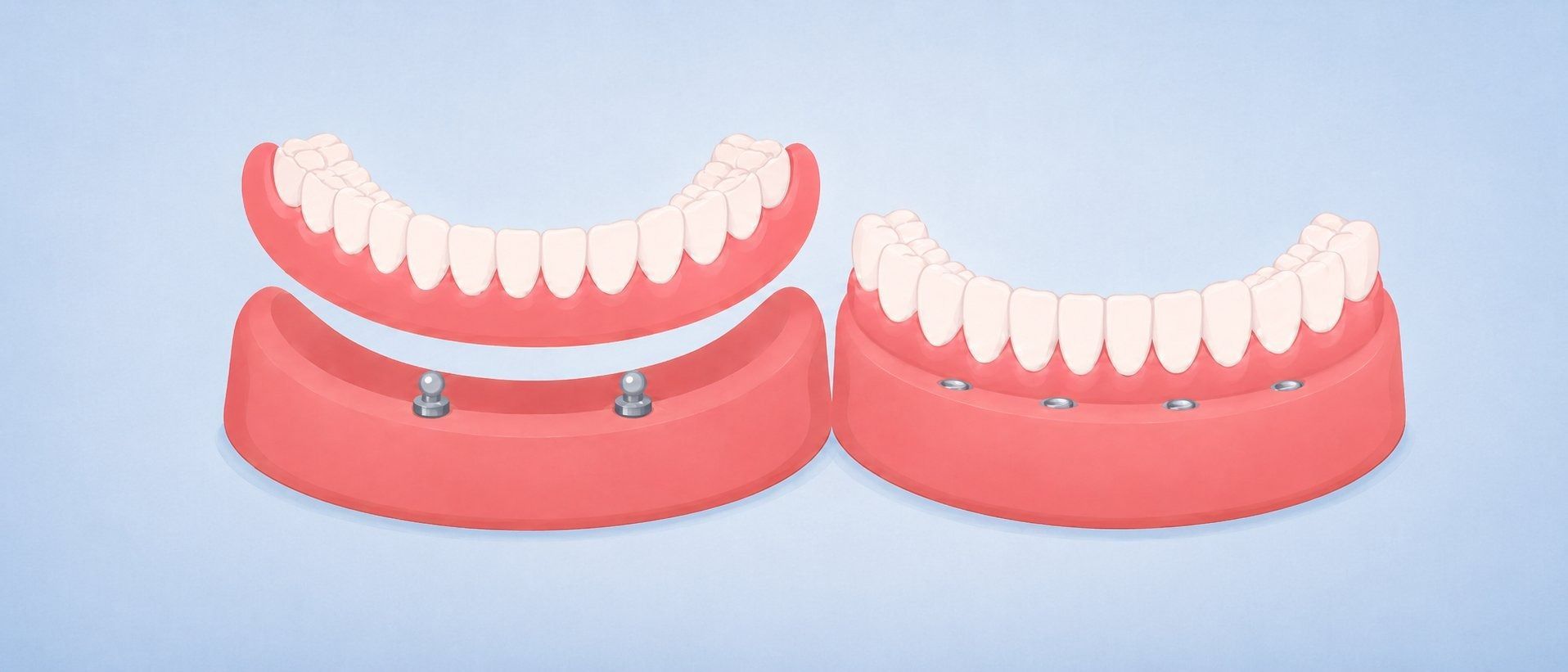
Start by understanding your lab’s standard turnaround times and scheduling seating appointments with the right buffer. Typical turnaround at Summit-Horizon varies by restoration: crown and bridge cases run approximately 5 to 7 business days; implant cases run from 7 days up to 4 weeks depending on the implant system and case complexity; 3D-printed dentures return in 5 to 7 business days. Confirm specific timelines with your account team before booking the seating appointment. For complex or full-arch cases, the timeline depends on prototype approvals and design iterations, which is why early communication with the lab matters.
Build a simple rule into your scheduling workflow: confirm the lab’s estimated return date before booking the seating appointment. Local St. Louis practices using Summit-Horizon’s daily pickup service can submit cases same-day, with production beginning the next morning. For shipped cases, factor in transit time and aim to send cases the day the prep is completed rather than batching at the end of the week. And if a case needs to be expedited, call the lab early: advance notice, even by a day or two, lets them plan without compromising quality.
Close the Feedback Loop
Here is where the long-term value of a lab partnership compounds. After every seating, the lab needs to know how the case performed. Did the contacts seat correctly? Was the shade accurate? Were occlusal adjustments needed? Did the margin fit cleanly, or was there a gap?
This information isn’t a complaint. It’s calibration data. Labs like Summit-Horizon use seating feedback to fine-tune future cases for your specific clinical preferences and style. If you consistently prefer tighter contacts than average, that becomes part of your profile. A scanner that tends to capture margins slightly differently than another practice’s gets accounted for, too. Over time, this feedback loop dramatically reduces adjustments and remakes, because every case is built on a growing body of knowledge about how your practice operates.
The feedback doesn’t need to be elaborate. A quick email, a note on the next case submission, or a two-minute phone call to your account team is enough. Summit-Horizon’s operations team, led by Amy Sikes (Director of Operations) and supported by Tony Shryock and Summer Moreno, is available Monday through Friday, 7:00 AM to 4:30 PM CT at (888) 785-9710 or shdental@summit-horizon.com.
Putting It All Together
Integrating your lab into your daily workflow isn’t a single change; it’s a set of small, repeatable habits that compound over time. Standardize submissions. Include the lab in your morning huddle. Lean on your lab’s clinical expertise. Coordinate logistics around real turnaround timelines. And close the feedback loop after every seating so the next case is better than the last.
Summit-Horizon is built for this kind of partnership. From digital case uploads and scanner-agnostic compatibility to complimentary local pickup and a Master CDT reviewing your cases, the infrastructure for seamless integration is already in place.
Ready to build a more integrated lab workflow? Submit your next case through Summit-Horizon’s digital portal and experience a streamlined process from day one. Want to discuss how to set up a workflow tailored to your practice? Contact our team to schedule a conversation about case submission, turnaround coordination, or any aspect of the lab-practice relationship.
References
Share Post
Search Post
Recent Insights