
Medication-Induced Bruxism: What Every Dentist Should Know About SSRI-Related Wear Patterns
A 48-year-old with stable occlusion returns for a recall, and something has changed. Shiny wear facets span the posterior teeth, a ceramic on #14 has chipped, and occlusal contacts no longer match previous records. She denies grinding. Her dental history offers no explanation, but her medication list does: she started the SSRI sertraline three months ago. This is what medication-induced bruxism looks like before the patient ever reports a symptom.
As SSRI, SNRI, stimulant, and antipsychotic prescriptions climb, so do the wear patterns and fractures that follow. Centrally acting medications and involuntary bruxism are repeatedly reported together in the literature, yet the connection remains underrecognized at chairside, leading to failed restorations and cases that need protective splints and night guards planned from the start.
This post offers a lab-side perspective on medication-induced bruxism: how it works, what it looks like, and what you and your lab can do about it.
The Short Version SSRIs, SNRIs, stimulants, and antipsychotics can trigger involuntary bruxism by disrupting the serotonin-dopamine balance that regulates jaw-muscle activity. Labs often detect accelerated wear and fracture patterns before the patient reports any symptoms. Recognizing the medication-timing connection helps you choose stronger materials, adjust occlusal design, and protect restorations from premature failure.
Why Medications Trigger Parafunctional Wear
International consensus defines bruxism as a repetitive jaw-muscle activity that occurs during sleep or wakefulness (Lobbezoo et al., 2013). In otherwise healthy individuals it is now framed not as a disorder but as a behavior that can be a risk factor for tooth wear and restorative complications, rather than a problem caused solely by the bite (Lobbezoo et al., 2018).
Many commonly prescribed medications influence the same neurotransmitter systems that regulate jaw-muscle activity. The key mechanism involves the serotonin-dopamine balance in the mesocortical pathways. SSRIs and SNRIs increase synaptic serotonin, which in turn suppresses dopamine release in brain regions involved in motor control. Dopamine normally dampens spontaneous or repetitive movements. When dopaminergic tone drops, the inhibitory brakes come off, and repetitive jaw contractions can appear in patients with no prior bruxism history (Garrett & Hawley, 2018; de Baat et al., 2021).
The result is a patient who begins clenching or grinding, often with little or no awareness that anything has changed.
Several converging trends make this clinically urgent. More than one in ten U.S. adults now takes prescription medication for depression (Elgaddal et al., 2025). Depression prevalence climbed from 8.2% in 2013–2014 to 13.1% in 2021–2023, roughly a 60% increase (Brody & Hughes, 2025), and dentists have reported a marked rise in teeth grinding and clenching since the pandemic (ADA Health Policy Institute, 2021). For labs, the net effect is clear: more cases arrive with wear and fracture patterns that don't match the patient's age, occlusion, or reported habits, but do align with recent medication changes.
Medication Classes Most Commonly Implicated
Drug-induced bruxism is most commonly associated with medications that act on serotonin, norepinephrine, and dopamine. From a dental perspective, the exact receptor profile matters less than recognizing the risk classes.
SSRIs and SNRIs
SSRIs are the most frequently reported class in bruxism case series. Fluoxetine, sertraline, and venlafaxine were the three most commonly cited offending agents in a systematic review of published case reports (Garrett & Hawley, 2018). Other SSRIs implicated include paroxetine, citalopram, escitalopram, and fluvoxamine. Among SNRIs, duloxetine, desvenlafaxine, and levomilnacipran also appear in the literature. One cross-sectional study found that paroxetine carried the highest odds ratio for sleep bruxism among individual agents (OR 3.63; Uca et al., 2015).
Antipsychotics and Stimulants
Dopamine-blocking antipsychotics, particularly risperidone, are linked to increased jaw-muscle activity through direct suppression of dopaminergic tone. Stimulant medications used for ADHD, including amphetamine, methylphenidate, and lisdexamfetamine, represent another important class. In younger patients, stimulant use is a common pharmacologic backdrop when labs see unexpected fractures or aggressive posterior wear (George et al., 2021).
The Multifactorial Reality
Medication rarely acts alone. Drug-induced bruxism typically layers on top of existing risk factors: stress and anxiety, tobacco and high caffeine intake, sleep-disordered breathing, and gastroesophageal reflux. For the dental team, the core message is not to diagnose the exact drug effect, but to notice the timing. Did these changes begin or accelerate within a few months of starting or adjusting a centrally acting medication?
What the Lab Sees Before the Patient Complains
From the lab vantage point, medication-related bruxism often shows itself before the patient ever mentions jaw pain or grinding. At Summit-Horizon, we observe these patterns in scans and models regularly.
Accelerated posterior wear is the most common indicator: flattened cusp tips and shiny facets that are out of proportion to the patient's age and reported habits. Unexpected fractures on ceramics or full contour zirconia restorations follow closely, particularly when failures appear despite careful occlusal adjustment and appropriate material selection. These fractures suggest a centrally driven parafunctional load rather than a purely occlusal cause.
Atypical antagonist wear on new restorations, sudden occlusal changes compared to earlier scans, and rapid degradation in previously stable patients round out the pattern. When the only major change in a patient's history is a new or adjusted antidepressant, stimulant, or antipsychotic, medication-induced bruxism becomes an important part of the conversation, even if the patient denies grinding.
The timing correlation is critical. When wear or fracture develops quickly and coincides with a recent medication change, pharmacologic bruxism should be on your differential, alongside stress, airway issues, and other contributors.
Chairside Screening: Four Questions to Ask
You can screen for possible medication-related bruxism without stepping into prescribing decisions. A brief check at the chairside takes less than a minute and can reshape your restorative plan.
Quick Medication-Bruxism Screen
- Has the patient started or changed an SSRI, SNRI, stimulant, or antipsychotic in the previous few months?
- Did wear, fractures, or bite changes appear suddenly compared to previous records?
- Are there obvious wear facets or fractures even though the patient denies grinding?
- Do current scans or models show new occlusal contacts that don't match the patient's bite history?
If multiple answers point toward yes, medication-related bruxism may be one of several contributors. Document the findings, discuss them with the patient, and when appropriate, encourage the patient to raise the topic with their prescribing clinician. Dose adjustments, medication switches, or add-on therapies such as buspirone are options the prescriber can evaluate; those decisions belong firmly in the medical provider's domain (Garrett & Hawley, 2018).
How Summit-Horizon Supports These Cases
At Summit-Horizon, we incorporate pharmacology-aware thinking into case planning while staying firmly within the dental and prosthetic realm. When wear patterns or fractures suggest elevated parafunctional loading, our team, led by Michael Wandling, Master CDT, can recommend specific material and design strategies.
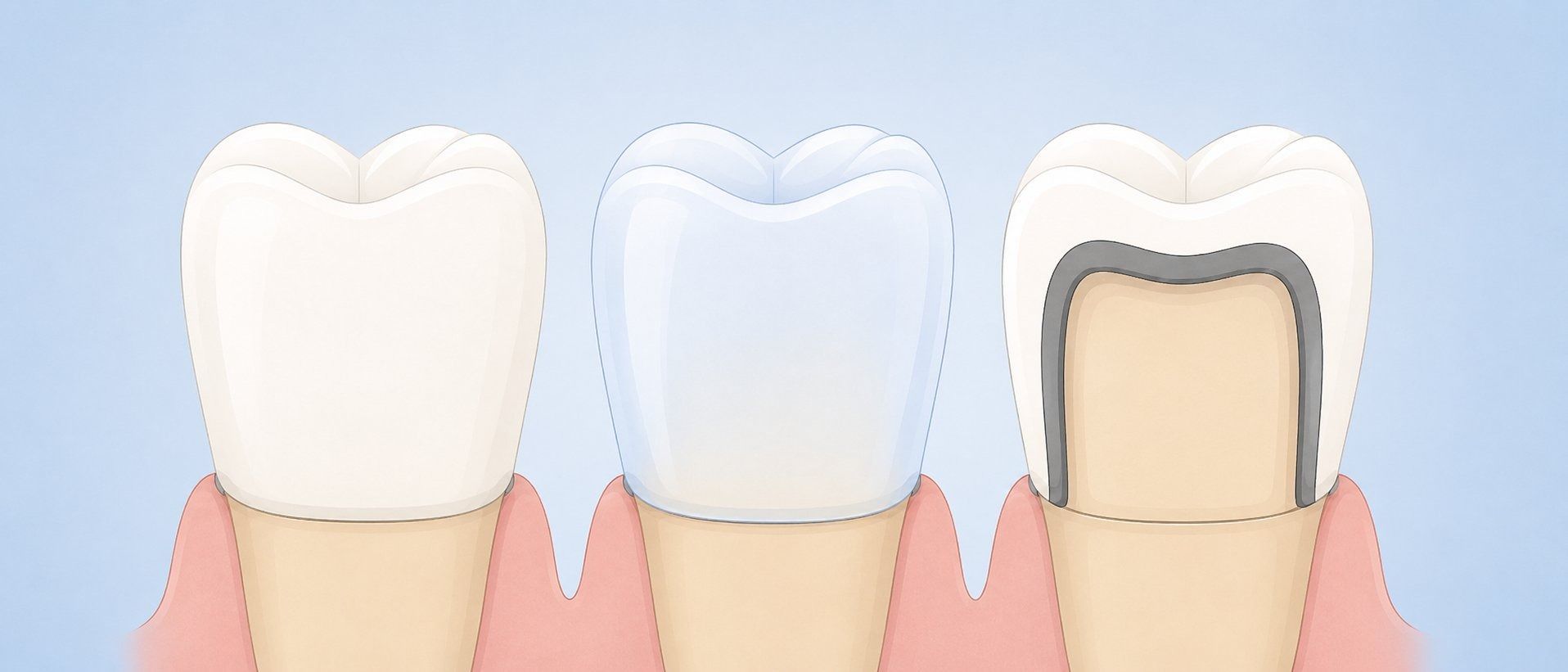
For load-bearing zones, we often recommend high-strength monolithic zirconia with simplified occlusal anatomy: broad, shallow contacts that distribute forces more evenly and reduce point-loading failures. Reinforced occlusal thickness, reduced cantilevers, and modified anterior guidance are part of the design conversation when bruxism risk is present. For a closer look at how material properties affect outcomes in high-load scenarios, see our post on why dentists choose Summit-Horizon zirconia crowns.
Because we work as an extension of your clinical team rather than a drop-off vendor, our technicians review every case for fit, contacts, and occlusion. If we notice atypical wear or parafunctional indicators in your scans or models, we are happy to note what we observe when we return the case, in neutral and non-diagnostic terms, and to talk through material and design options with you. We do not make medical or diagnostic statements; the clinical interpretation always stays with you.
Custom hard occlusal guards remain one of the most effective mechanical strategies for protecting restorations, even in patients who are unaware of clenching. Summit-Horizon also fabricates hard and soft occlusal guards tailored to the restorative plan, with coverage, thickness, and occlusal scheme designed to safeguard new work from parafunctional forces.
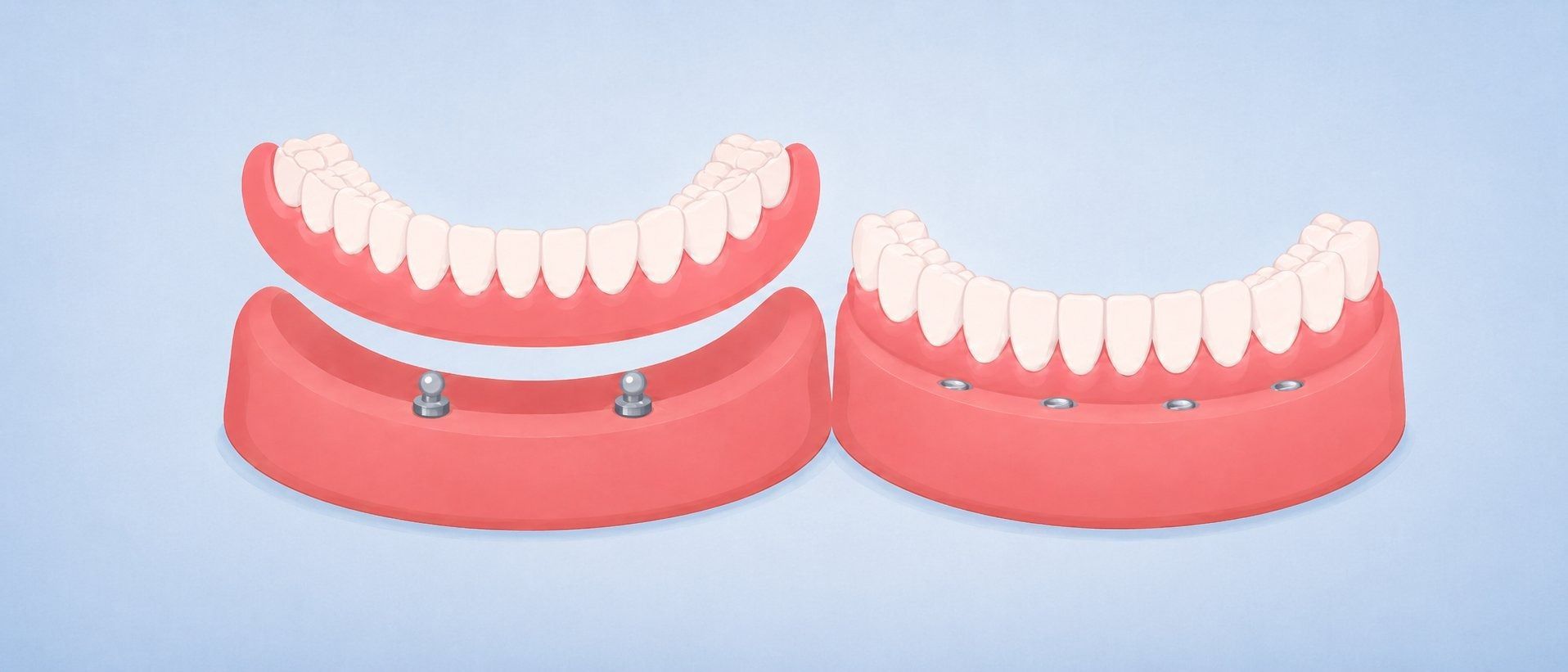
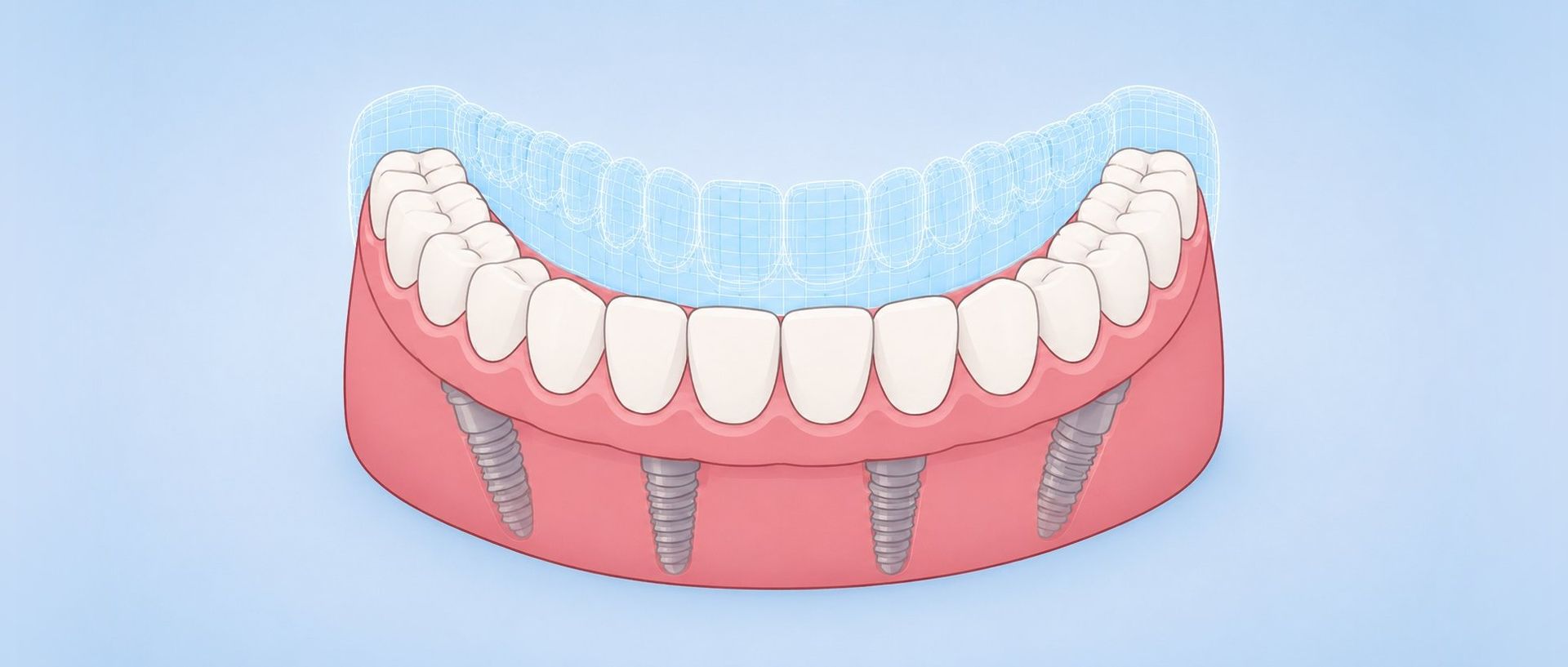
For full-arch and implant cases where medication-induced bruxism may change the risk profile, early collaboration makes a measurable difference. Framework material selection, implant positioning to minimize cantilevers, occlusal vertical dimension, and long-term maintenance plans all benefit from a conversation that factors in pharmacologic bruxism risk.
Frequently Asked Questions
How can a lab tell if bruxism may be medication-related?
Labs cannot diagnose bruxism or assign causation to a specific drug. However, labs can identify patterns consistent with elevated parafunctional loading, such as accelerated posterior wear disproportionate to age, shiny facets across posterior teeth, chipping or fracture on relatively new ceramics, and unusual antagonist wear. When these findings develop quickly and coincide with a reported change in a centrally acting medication, medication-related bruxism becomes a reasonable consideration.
Which medications most commonly contribute to parafunctional wear?
Published reports most frequently implicate SSRIs such as fluoxetine, sertraline, paroxetine, citalopram, and escitalopram. SNRIs including venlafaxine, duloxetine, and desvenlafaxine also appear regularly. Dopamine-blocking antipsychotics and stimulant medications used for ADHD are additional risk classes. Many patients take more than one centrally acting medication, and bruxism is usually multifactorial.
How should restorative material selection change when medication-related bruxism is suspected?
Consider high-strength monolithic zirconia for high-load areas, reinforced occlusal thickness where space allows, simplified occlusal anatomy with reduced cusp steepness, and conservative or no cantilevers in bridge and implant designs. Layered ceramics should be reserved primarily for esthetic zones with strong substructural support. Your lab can help interpret wear patterns and suggest material strategies tailored to each case.
Should patients with medication-driven bruxism receive a nightguard?
In most cases, yes. Even when patients do not report grinding, occlusal splints can protect new restorations and opposing dentition, distribute forces more evenly, and reduce the risk of catastrophic fractures. Nightguards do not eliminate bruxism episodes, but they remain one of the most effective mechanical strategies for limiting damage.
How soon after starting an antidepressant can bruxism appear?
Symptoms typically emerge within three to four weeks of starting or increasing an antidepressant, though onset can vary between patients (Garrett & Hawley, 2018). If you see sudden wear, fractures, or bite changes in that window, especially with a new SSRI, SNRI, or stimulant, pharmacologic bruxism should be on your radar.
Seeing accelerated wear or unexplained fractures that may be linked to a patient's medication history? Contact Summit-Horizon to discuss the case with our team, or submit your scans directly. We will evaluate the clinical situation, flag parafunctional indicators, and recommend material and occlusal strategies designed for long-term durability and confident, first-time seating.
References
Share Post
Search Post
Recent Insights